

You invest in technology, ergonomics, and office design — but have you ever thought about the invisible ecosystem in your walls? Dust, allergens, and microbial buildup in commercial ventilation systems silently affect employee health, energy efficiency, and productivity. Bringing in professional cleaning experts doesn’t just clear the air — it transforms your workspace into a safer, more efficient environment where both people and business can thrive.
Why Professional Cleaning Services for Commercial Ventilation Systems Matter
Did you know that poor indoor air quality costs U.S. businesses approximately $20 billion annually in lost productivity, according to the EPA's 2024 workplace health report? Commercial ventilation systems directly impact employee health, energy efficiency, and overall business performance. Professional heating duct cleaning services ensure optimal air circulation while reducing operational costs and creating healthier work environments for your team.
The Hidden Health Impact of Neglected Air Circulation Systems
When ventilation systems go without proper maintenance, they become breeding grounds for harmful contaminants that directly impact workplace health. Dust mites, pollen, and other allergens accumulate in ductwork over time, circulating throughout office spaces and triggering respiratory issues among sensitive employees.
More concerning are the bacterial colonies and mold spores that thrive in neglected systems. These microorganisms multiply rapidly in dark, humid environments, releasing toxins into the air that can cause headaches, fatigue, and more serious respiratory complications. The result is a workforce dealing with preventable health issues that affect both comfort and performance.
The business impact extends far beyond employee discomfort. Companies with poor indoor air quality report significantly higher absenteeism rates and reduced productivity levels. When employees struggle with allergies, respiratory irritation, or frequent illness, their focus and energy naturally decline, affecting overall business operations.
Professional HVAC maintenance specialists understand these complex relationships between air quality and workplace health. Their technical expertise allows them to identify problem areas before they escalate, implementing targeted solutions that protect both employee wellbeing and business continuity through proper ventilation system care.
Key Warning Signs Your Business Facility Needs Immediate Attention
Your building's ventilation system sends clear distress signals when it's struggling to maintain healthy indoor air quality. Recognizing these warning signs early can prevent costly emergency repairs and protect your team's well-being.
Here are the critical indicators that demand immediate professional attention:
- Persistent musty odors - Stale or unusual smells lingering despite regular cleaning indicate trapped contaminants in your ductwork that basic maintenance can't eliminate
- Visible dust accumulation - If surfaces require constant cleaning or dust settles unusually quickly, your filtration system isn't capturing particles effectively
- Employee health complaints - Increased allergies, headaches, or respiratory issues among staff often signal poor indoor air circulation and contaminated ventilation
- Rising energy costs - Clogged ducts force HVAC systems to work harder, driving up utility bills by 15-25% as equipment struggles to maintain comfortable temperatures
- Unusual system noises - Rattling, whistling, or grinding sounds from vents indicate blockages, loose components, or failing equipment requiring urgent inspection
Don't wait for these symptoms to worsen. Professional assessment can identify problems before they escalate into expensive system failures or health hazards.
How Industrial Ventilation System Cleaning Services Transform Workplace Environment
Professional industrial ventilation cleaning begins with a comprehensive inspection using specialized cameras and diagnostic equipment. Technicians assess the entire system architecture, identifying contamination levels, blockages, and potential mechanical issues that could compromise air quality and system efficiency.
The deep cleaning process employs industrial-grade vacuum systems with HEPA filtration, removing accumulated dust, debris, and microbial contaminants from ductwork, vents, and air handling units. Specialized brushing tools navigate complex duct configurations, ensuring thorough removal of stubborn buildup that standard maintenance cannot address.
Following mechanical cleaning, targeted disinfection eliminates bacteria, mold spores, and other harmful microorganisms using EPA-approved antimicrobial treatments. This critical step transforms contaminated air pathways into clean distribution networks that actively support workplace health rather than compromising it.
The final verification phase includes airflow testing, filter replacement, and performance documentation. Technicians measure air quality improvements and system efficiency gains, providing quantifiable evidence of the transformation. This methodical approach ensures your industrial ventilation system delivers optimal performance while creating a healthier, more productive work environment for your employees.
Cost-Benefit Analysis of Professional HVAC Maintenance
When evaluating maintenance costs versus emergency repairs, the numbers tell a compelling story. Professional HVAC maintenance typically costs between $200-500 per visit for commercial systems, while emergency breakdowns can easily reach $2,000-5,000 in repairs and lost productivity.
Energy savings represent the most significant long-term benefit. Well-maintained systems operate 15-20% more efficiently than neglected ones, translating to substantial utility bill reductions. A mid-sized office building spending $10,000 annually on HVAC energy costs could save $1,500-2,000 through regular professional maintenance.
Beyond direct cost savings, proper maintenance enhances employee productivity. Poor air quality and uncomfortable temperatures reduce worker efficiency by up to 11% according to Harvard research. For a company with 50 employees earning an average of $50,000, this productivity loss represents $275,000 in reduced output annually.
Equipment longevity extends significantly with professional care. Regular maintenance can double an HVAC system's lifespan from 10-15 years to 20-25 years, delaying expensive replacement costs and maximizing your initial investment.
Establishing an Optimal Maintenance Schedule for Your Business
Creating the right maintenance schedule for your commercial ventilation system requires understanding your business's unique operating conditions and environmental factors. High-traffic establishments like restaurants, medical facilities, and manufacturing plants typically need quarterly cleaning due to increased contaminant accumulation and system usage.
Seasonal considerations play a crucial role in scheduling effectiveness. Spring and fall represent ideal maintenance windows, particularly before peak heating and cooling seasons when systems work hardest. Businesses operating in dusty environments or those with specialized air quality requirements may benefit from monthly inspections with bi-annual deep cleaning.
Your industry type significantly influences maintenance frequency recommendations. Office buildings generally require semi-annual service, while healthcare facilities and food service establishments need more frequent attention due to strict air quality standards. Manufacturing environments with heavy particulate production often require customized schedules based on production cycles and contamination levels.
Professional assessment remains the foundation of any effective maintenance plan. Experienced technicians evaluate your system's age, usage patterns, and environmental challenges to develop a personalized schedule that maximizes air quality while optimizing operational costs and minimizing business disruption.
Your Questions About Commercial Air Quality Solutions
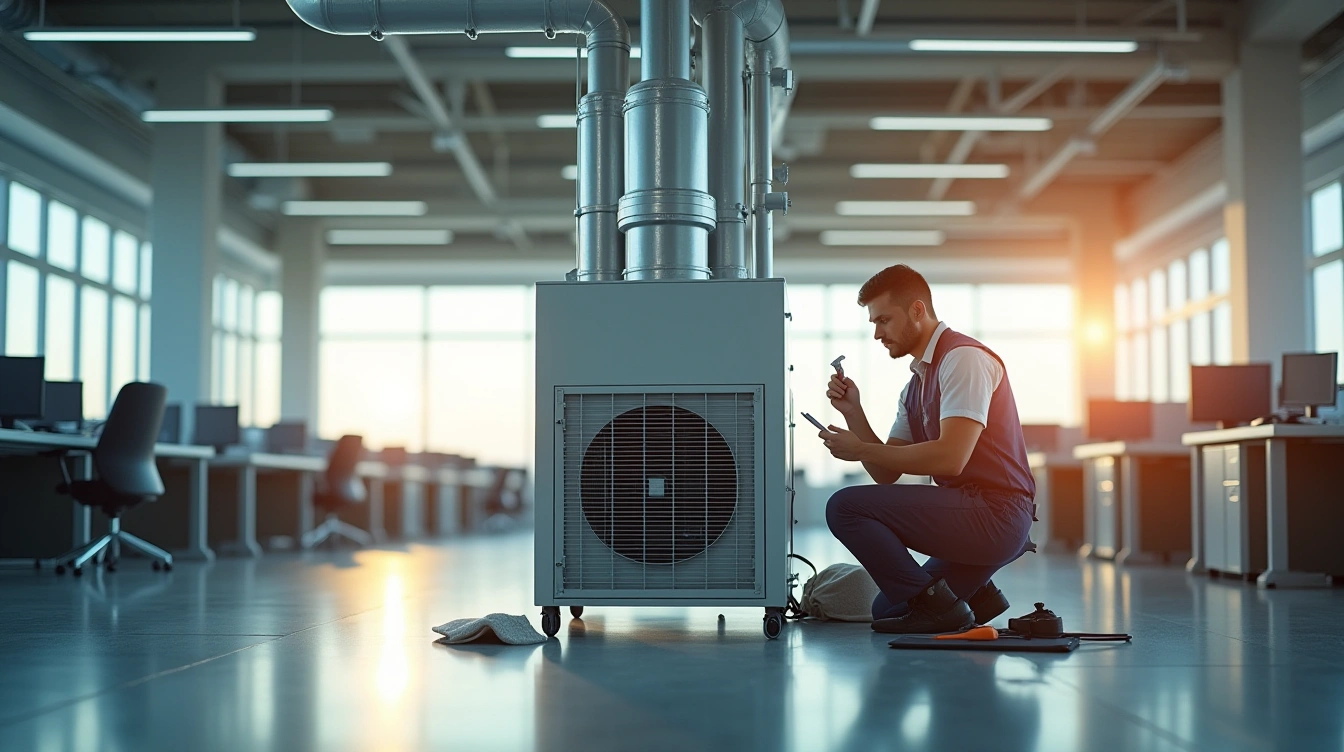
Business owners frequently have questions about maintaining optimal indoor air quality in their facilities. Understanding the fundamentals of commercial air quality helps you make informed decisions for your workplace environment.
How often should commercial ventilation systems be cleaned?
Most commercial ventilation systems require professional cleaning every 3-5 years. High-traffic businesses, restaurants, and manufacturing facilities may need more frequent cleaning due to increased contaminant accumulation.
What are the signs that my business ventilation system needs cleaning?
Watch for visible dust buildup around vents, musty odors, increased employee allergies, higher energy bills, and uneven heating or cooling throughout your facility.
How much does professional commercial air duct cleaning cost?
Commercial cleaning costs typically range from $0.15 to $0.30 per square foot, depending on system complexity, accessibility, and contamination levels. Most businesses invest $500-$2,000 annually.
Can dirty ventilation systems affect employee health and productivity?
Yes, poor air quality can cause headaches, fatigue, respiratory issues, and reduced concentration. Clean systems improve employee comfort, reduce sick days, and boost overall productivity.
What's the difference between residential and commercial ventilation cleaning?
Commercial systems are larger, more complex, and require specialized equipment. They often have multiple zones, different filtration needs, and stricter health regulations than residential systems.